
Aerial view of a historic government building with a golden dome at sunset, surrounded by trees and other structures.

Where We Help People Get Out From Under Debt in New Jersey

If you found this page, you are probably trying to figure out one simple thing: does this firm actually help people where I live? The short answer is yes, and the longer answer is on this page.

ClearPath Law is a debtor-side practice. That means we work for the person or the business that owes the money, never for the credit card companies, the banks, or the merchant cash advance lenders on the other side. Our office sits in Hackensack, in the middle of Bergen County, and from there David Stevens represents individuals and business owners across the northern half of the state, from New Brunswick and up.

Below you will find the counties and communities we focus on most. If your town is not listed by name, that does not mean we cannot help you. It usually just means we have not built out a page for it yet. Call the office at (201) 502-2241 and we will tell you honestly whether we are the right fit.
The counties and towns we serve

We have organized our service area into two groups: the northern New Jersey counties where we do the bulk of our work, and the Monmouth County shore area around Red Bank, where a growing number of our clients live and run their businesses.

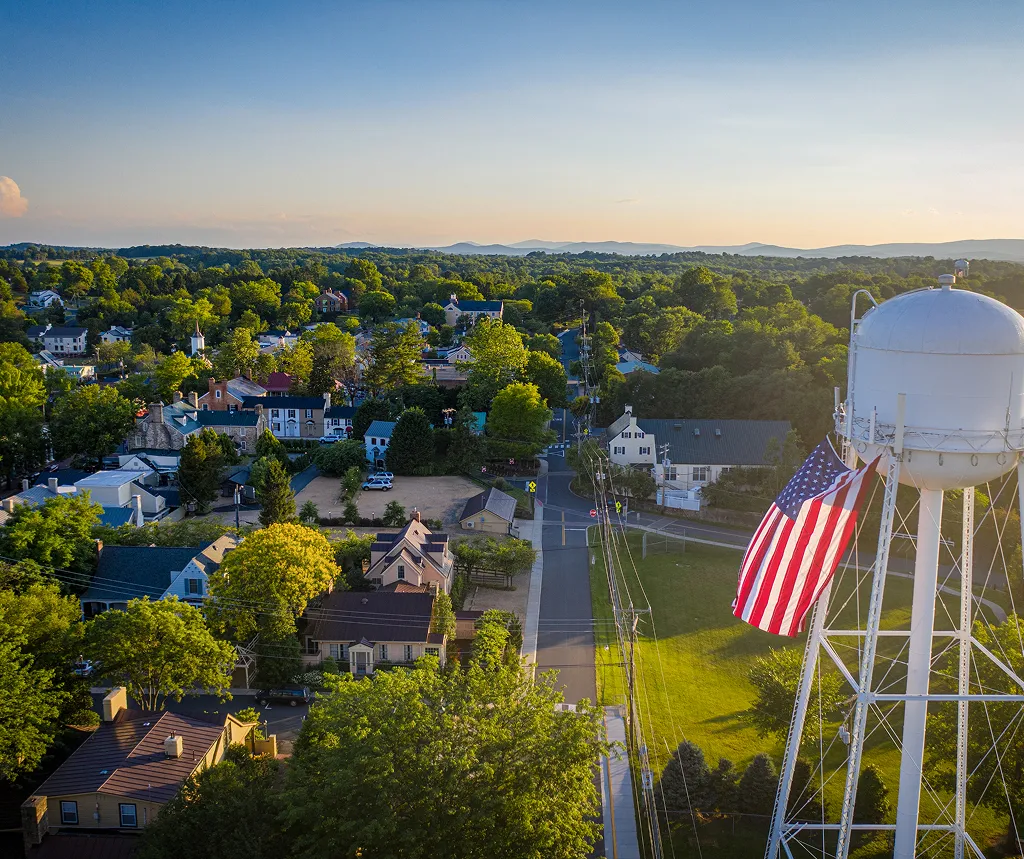
Aerial view of a small town with green trees, houses, and a water tower displaying an American flag.

Northern New Jersey

  • Bergen County – our home base, including Hackensack, Paramus, Fort Lee, Englewood, Ridgewood, Teaneck, and Mahwah.
  • Passaic County – Paterson, Clifton, Wayne, Passaic, Little Falls, and the surrounding towns.
  • Morris County – Morristown, Parsippany, Madison, Denville, Randolph, and the corporate corridor.
  • Hudson County – Jersey City, Hoboken, Bayonne, Union City, North Bergen, and Secaucus.
  • Sussex County – Newton, Sparta, Vernon, Hopatcong, and the northwest corner of the state.
  • Montclair – plus nearby Essex County towns like Glen Ridge, Verona, and Bloomfield.

Red Bank & the Monmouth County shore

  • Red Bank – and the riverside towns around it, including Fair Haven, Rumson, Little Silver, and Shrewsbury.
  • Middletown – including Lincroft, Navesink, the Bayshore communities, and Atlantic Highlands.
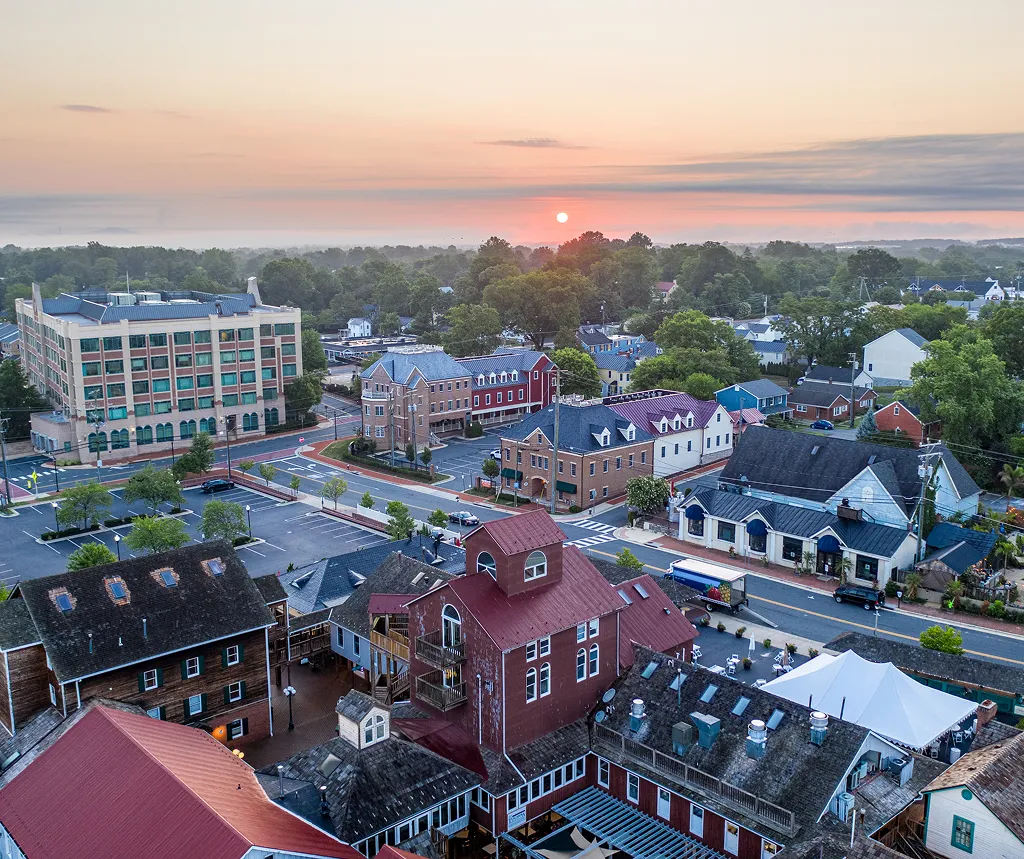
Aerial view of a small town at sunrise with mixed residential and commercial buildings.

Each of those links leads to a page written specifically for that area, with the local courts, the kinds of debt problems we see there, and the towns we cover.

What we actually do

People come to ClearPath at very different points. Some are getting collection calls at dinner and cannot sleep. Some have a foreclosure sale date circled on the calendar. Some own a restaurant or a medical practice or a trucking company and took a merchant cash advance that has spiraled into something they can no longer feed. Whatever brought you here, the work falls into four areas.

How the process usually works

Most people have never done this before, and the unknown is a big part of the fear. Here is the shape of it.

It starts with a free conversation. You tell David what is going on, he asks some questions, and you leave that call understanding your options. If it makes sense to move forward, the next step is gathering your financial picture, income, debts, assets, and expenses, so the plan is built on real numbers rather than guesses.

From there, the path depends on the situation. A straightforward Chapter 7 can be filed and completed in a matter of months. A Chapter 13 or a business reorganization runs longer because it involves a repayment or restructuring plan. In almost every case, the moment your bankruptcy is filed, an automatic stay goes into effect, which stops most collection calls, lawsuits, garnishments, and foreclosure sales immediately. For a lot of clients, that first quiet night is the moment they finally exhale.

A few myths worth clearing up

You do not lose everything. This is the single most common fear, and it is usually wrong. New Jersey filers can choose exemptions that protect a home’s equity, a vehicle, retirement accounts, and everyday household belongings. Most people keep what matters to them.

Bankruptcy is not the end of your credit forever. It is a reset, not a life sentence. Many people begin rebuilding within a year or two, and carrying unpayable debt is far more damaging in the long run than dealing with it.

It does not make you a failure. Debt trouble happens to careful, hardworking people all the time. A medical event, a divorce, a slow season, a lender who changed the terms. The tools in the bankruptcy code exist precisely because good people end up here.

Why a service-area page is more than a list of towns

New Jersey is a small state on the map, but the practical realities of a debt case shift a lot from one county to the next. A bankruptcy filed by a family in Bergen County goes to the federal court in Newark. A filing from a business owner in Red Bank goes to the court in Trenton instead. A foreclosure in Morris County involves different local players than one in Hudson County. The home values are different, the local economy is different, and the pressures on a household or a small business are different.

That is why we did not just print the same page eight times with the town name swapped in. Each area page is meant to give you a real feel for how a case works where you live.

You are hiring a person, not a call center

David built this firm around a simple idea: debt cases deserve a lawyer who picks up the phone. A lot of high-volume bankruptcy shops treat people like case numbers, hand you off to a paralegal, and push you through a template. That is not how this works. When you call ClearPath, you are talking to the person who will actually handle your matter.

That focus is also why the firm stays in one region. Keeping the practice to Northern New Jersey, from New Brunswick up, means David knows the courts, the trustees, and the way these cases really play out here.

A quick word if you are scared right now

Most people who reach a page like this feel some version of the same thing: embarrassment, fear, and the sense that they should have handled money better. Set that down for a minute. What matters now is not how you got here. It is what you do next, and you have more options than you think.

Life after debt

It is worth saying clearly: bankruptcy is a beginning, not an ending. The tools in the code exist to give honest people a genuine fresh start, and most of our clients are surprised at how quickly life stabilizes once the collection pressure stops and the unpayable debt is gone. Rebuilding credit afterward is very doable, and many people qualify for reasonable financing within a year or two, often on better terms than the high-interest debt they were carrying. Whatever your situation, David will explain not just how to get through the filing but what comes after, so you leave with a plan for the years ahead. The goal has never been simply to file a case. It is to get you and your family, or your business, back on solid, lasting ground.

What the free consultation covers

The first conversation costs nothing and commits you to nothing. You tell David your town and a little about what is going on, he asks the questions that matter, and you leave understanding your real options, the likely timeline, and what moving forward would cost. If bankruptcy is not the right answer for you, he will say so. There is no script and no pressure, just an honest read on where you stand from the person who would actually handle your case. Everything you share stays confidential. You do not need your paperwork organized or your numbers memorized. You just need to make the call.

Ready to talk?

There is no charge to find out where you stand. Call the office, tell us your town and a little about what is going on, and we will point you to the right path, even if that path does not include us.

ClearPath Law 2 University Plaza, Suite 400, Hackensack, NJ 07601 Phone: (201) 502-2241 Email: info@clearpath.law